
October 21, 2026
White spots on child teeth can catch a parent’s attention, especially when they appear suddenly or look different from the rest of the tooth. These spots can have several causes, ranging from early enamel changes to fluoride-related conditions. While some are harmless, others may signal a problem that needs dental care. Understanding the possible causes can help you know when to monitor the spots and when to schedule an evaluation.
What Do White Spots on Children’s Teeth Mean?
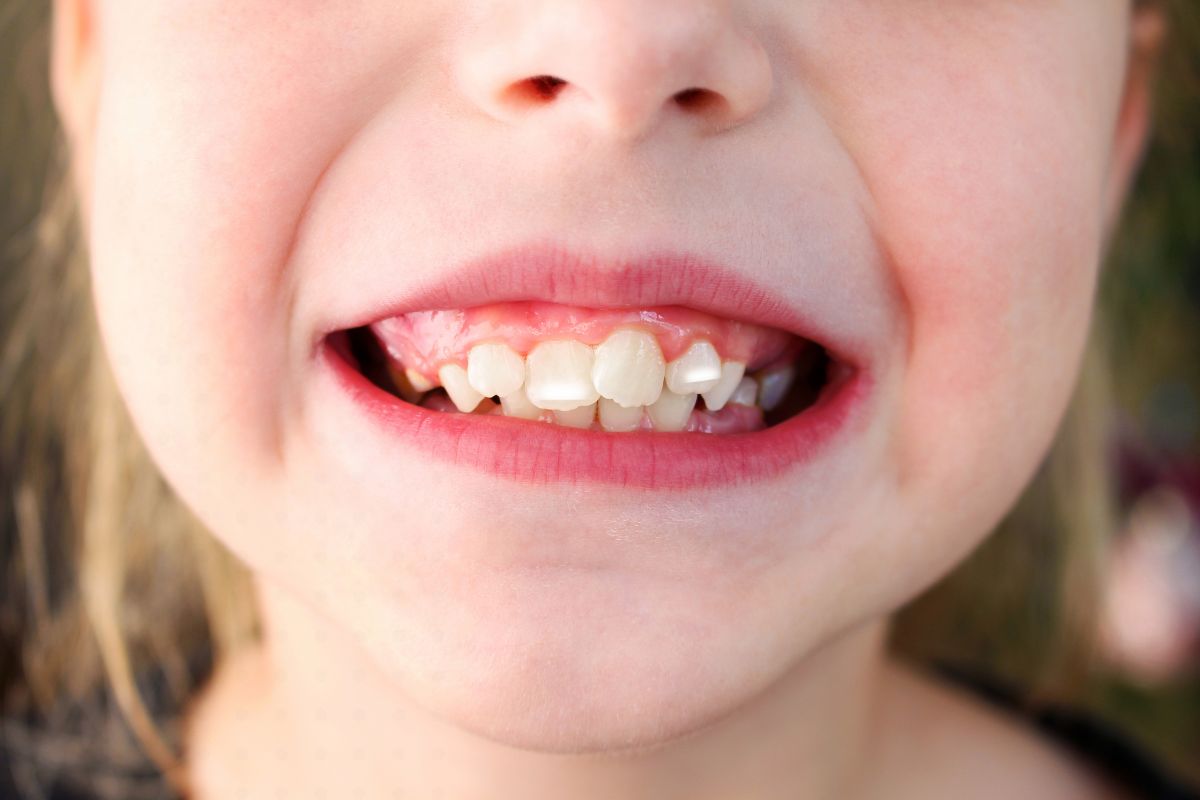
White areas on a child’s teeth can look like small dots, cloudy patches, lines, or larger areas of discoloration. Their appearance can vary depending on the underlying cause.
Sometimes, the enamel simply developed differently before the tooth came through. In other cases, the white area may represent an early stage of tooth decay. Fluorosis, enamel defects, and certain developmental conditions can also change the appearance of children’s teeth.
Because several conditions can look similar, parents should avoid trying to diagnose the cause based only on a photograph or appearance. A pediatric dentist can examine the tooth, consider your child’s dental history, and determine whether the spot needs treatment or observation.
Common Causes of White Spots on Child Teeth
There is no single reason why a child may develop white areas on their teeth. Below are some of the most common possibilities.
If you notice white spots on child teeth, a pediatric dentist can help determine whether the change comes from enamel development, fluoride exposure, early tooth decay, or another condition. At Adventure Smiles Pediatric Dentistry, Dr. Noura Rezapour provides specialized dental care for infants, children, and teens in a child-friendly setting. Her pediatric dentistry training supports care that considers each child’s developing smile and individual needs.
1. Early Tooth Decay
One of the most important causes to consider is early tooth decay. Before a cavity creates a visible hole, the enamel can lose minerals. This process may create a chalky or cloudy white area on the tooth.
These early changes are sometimes called white spot lesions. The American Academy of Pediatric Dentistry considers white spot lesions an indicator of caries activity and increased cavity risk.
Early attention matters because the tooth may still have enough healthy structure to benefit from preventive care. Depending on your child’s situation, the dentist may recommend improved brushing, dietary changes, fluoride treatment, or other preventive measures.
Watch for spots that:
- Look chalky or dull compared with nearby enamel
- Appear close to the gumline
- Become more noticeable after the tooth dries
- Occur along with plaque buildup
- Appear on several teeth
A white area does not automatically mean your child has a cavity. However, a professional examination can help determine whether the enamel is losing minerals.
2. Dental Fluorosis
Fluorosis can occur when a child consumes too much fluoride while permanent teeth are developing beneath the gums. Mild fluorosis may appear as faint white lines, streaks, or patches.
The American Dental Association explains that fluorosis develops during tooth formation and cannot begin after a tooth has erupted. Mild fluorosis is usually a cosmetic concern and does not typically affect tooth function.
Parents should not stop using fluoride automatically when they notice a white mark. Fluoride plays an important role in preventing tooth decay. Instead, talk with your child’s dentist about the appropriate amount of fluoride toothpaste and other fluoride sources for your child.
3. Enamel Hypoplasia
Enamel hypoplasia occurs when a tooth develops with less enamel than normal. The affected area may look white, yellow, brown, rough, or thinner than the surrounding enamel.
Several factors can contribute to enamel development problems, including illness, nutritional concerns, trauma to a developing tooth, or other conditions. The exact cause may not always be obvious.
Children with enamel defects may have teeth that are more vulnerable to sensitivity, wear, or cavities. Therefore, regular dental monitoring can help protect these teeth.
4. Molar-Incisor Hypomineralization
Another possible explanation is molar-incisor hypomineralization, often called MIH. This condition affects the quality of enamel rather than simply its thickness.
Affected teeth may show areas that look white, cream, yellow, or brown. Some children may also experience sensitivity or have enamel that breaks down more easily.
The American Academy of Pediatric Dentistry notes that MIH can make affected teeth more vulnerable to sensitivity, tooth decay, structural breakdown, and tooth loss.
A pediatric dentist can monitor these teeth and recommend preventive or restorative care when necessary.
5. Developmental Changes in the Enamel
Teeth develop over time before they erupt into the mouth. If something affects enamel formation during that period, the finished tooth may show a visible mark.
For example, a developing permanent tooth can sometimes show a localized enamel change. A parent may notice one unusual white patch while the surrounding teeth look normal.
The location and shape of the spot can provide useful clues. However, dentists use the child’s dental history and clinical examination along with the appearance of the tooth to determine the likely cause.
White Spots vs. Other Tooth Discoloration
Not every light-colored area means the same thing. Parents often confuse normal variations in tooth color with enamel problems.
| Appearance | Possible explanation |
|---|---|
| Faint white lines or streaks | Possible mild fluorosis |
| Chalky white patch near the gumline | Possible early enamel mineral loss |
| One clearly defined white or cream patch | Possible enamel development change |
| White or yellow area with sensitivity | Possible enamel defect or other dental concern |
| Rough or weakened enamel | Possible developmental enamel problem |
This table provides general information rather than a diagnosis. A dentist should evaluate persistent or unusual discoloration, particularly if the area changes over time.
How Can You Tell If the White Spot Is a Problem?
Parents often wonder whether they should simply wait and see. In some cases, the dentist may recommend monitoring the area. In others, early treatment can help prevent the condition from becoming more serious.
Consider scheduling a dental evaluation if:
- The spot has recently appeared.
- The area looks chalky or rough.
- Your child reports tooth sensitivity.
- The spot is becoming larger or darker.
- Your child has a history of frequent cavities.
- Several new spots have appeared.
- The affected tooth looks weaker than neighboring teeth.
- Your child feels pain around the area.
It is especially important to pay attention when a discoloration appears together with sensitivity, discomfort, or visible enamel damage.
What Will a Pediatric Dentist Check?
During an examination, the dentist may look at the color, shape, location, and texture of the affected area. The dentist may also ask when you first noticed the change and whether your child has experienced tooth sensitivity or previous dental problems.
Reviewing Your Child’s Dental History
Your child’s dental history can provide helpful clues. The dentist may ask about:
- Previous cavities
- Fluoride toothpaste use
- Drinking water sources
- Past illnesses or dental injuries
- Tooth sensitivity
- Eating and drinking habits
- Previous dental treatments
- When the affected tooth erupted
Examining the Tooth
The dentist will examine the tooth and surrounding tissues. Depending on the situation, dental X-rays may help identify concerns that cannot be seen during a visual examination.
Adventure Smiles explains that its pediatric dental visits focus on examining children’s teeth, gums, and jaw development while providing age-appropriate education for children and parents.
Can White Spots on Children’s Teeth Be Prevented?
You cannot prevent every enamel condition because some develop before a tooth erupts. However, you can reduce the risk of tooth decay and support stronger enamel with consistent daily habits.
Encourage Good Brushing Habits
Help your child brush twice a day with fluoride toothpaste in an age-appropriate amount. Younger children often need supervision because they may swallow toothpaste instead of spitting it out.
The American Academy of Pediatric Dentistry recommends twice-daily brushing with fluoride toothpaste as an important part of preventing tooth decay.
Limit Frequent Sugary Snacks and Drinks
Frequent exposure to sugary foods and beverages can increase the risk of tooth decay. Encourage water between meals and keep sweet foods as occasional choices rather than constant snacks.
Keep Regular Dental Appointments
Routine dental visits allow a pediatric dentist to monitor changes before they become larger concerns. Regular examinations also give parents an opportunity to ask questions about brushing, fluoride, diet, and enamel development.
Adventure Smiles recommends routine dental checkups every six months, although some children may benefit from more frequent visits based on their oral health needs.
Should You Try to Remove White Spots at Home?
No. Avoid scraping, whitening, polishing, or using homemade treatments on your child’s teeth.
Trying to remove a white mark without knowing its cause could damage the enamel. Whitening products also may not address the underlying reason for the discoloration.
Instead, focus on gentle brushing and regular dental care. If you are unsure whether a mark is normal, let a pediatric dentist evaluate it.
Frequently Asked Questions
Are white spots on child teeth always caused by cavities?
No. Early tooth decay is one possible cause, but fluorosis, enamel defects, MIH, and other developmental changes can also create white areas. A dental examination can help determine the cause.
Can white spots disappear as my child grows?
Some spots may become less noticeable as the surrounding teeth change and mature. However, parents should not assume that every mark will disappear. The best approach depends on the underlying cause.
Does fluoride cause white spots?
Excessive fluoride ingestion while permanent teeth are developing can cause dental fluorosis, which may produce white lines or patches. However, fluoride also helps prevent tooth decay, so parents should use the amount recommended for their child’s age and follow their dentist’s guidance.
Are white spots an early sign of cavities?
They can be. Early enamel mineral loss may appear as a chalky white area before a visible cavity develops. The AAPD identifies white spot lesions as an indicator of caries activity.
Should I be worried if my child’s permanent tooth has a white patch?
Do not panic, but do not ignore a new or unusual patch. A pediatric dentist can determine whether it relates to normal enamel development, fluorosis, early decay, or another condition.
White spots can have several causes, and appearance alone does not always reveal what is happening beneath the surface. Early tooth decay, fluorosis, enamel hypoplasia, MIH, and other developmental changes can all affect how a child’s teeth look. Therefore, parents should focus on the bigger picture rather than trying to diagnose the condition at home.
Good brushing habits, appropriate fluoride use, healthy food and drink choices, and regular dental visits can all support your child’s developing smile. If you notice a new discoloration, changes in texture, sensitivity, or other concerns, an early dental evaluation can provide reassurance and help identify problems before they progress.
If you are concerned about white spots on child teeth, schedule an appointment with Dr. Noura Rezapour at Adventure Smiles Pediatric Dentistry, for a personalized pediatric dental evaluation and guidance based on your child’s individual oral health needs.