August 18, 2026
Parents sometimes wonder why a small cavity can develop so quickly in a young child’s mouth. The answer starts with tooth structure, but several daily habits also play a role. Understanding why baby teeth are more vulnerable to decay can help parents take action early. Adventure Smiles Pediatric Dentistry in Las Vegas helps families build healthy oral care habits from the first teeth onward.
Baby teeth may look small and temporary, but they have important jobs. Children use them to chew food, speak clearly, and maintain space for permanent teeth.
Because these teeth can develop cavities, daily care matters from the moment the first tooth appears.
Why Are Baby Teeth More Vulnerable to Decay?
Baby teeth have thinner outer enamel than permanent teeth. Enamel is the hard outer layer that protects the inner parts of a tooth.
Because the protective layer is thinner, decay can progress more quickly once it begins. In addition, young children may have difficulty brushing every surface well.
Las Vegas pediatric dentist can help parents understand their child’s individual cavity risk and create an age-appropriate prevention plan.
Smaller Teeth Still Need Strong Protection
A child’s teeth may be smaller than an adult’s teeth, but bacteria can still produce acids that damage them.
When children frequently consume sugary drinks or snacks, bacteria use those sugars and starches as fuel. The resulting acids can weaken tooth enamel.
Over time, repeated acid exposure may lead to a cavity.
Baby Teeth Have Thinner Enamel
Enamel protects the tooth from everyday wear and acid attacks. However, primary teeth have thinner enamel compared with permanent teeth.
That difference matters when decay begins.
A cavity may move through the tooth more quickly in a primary tooth. Therefore, parents should not wait for a child to complain about pain before scheduling a dental visit.
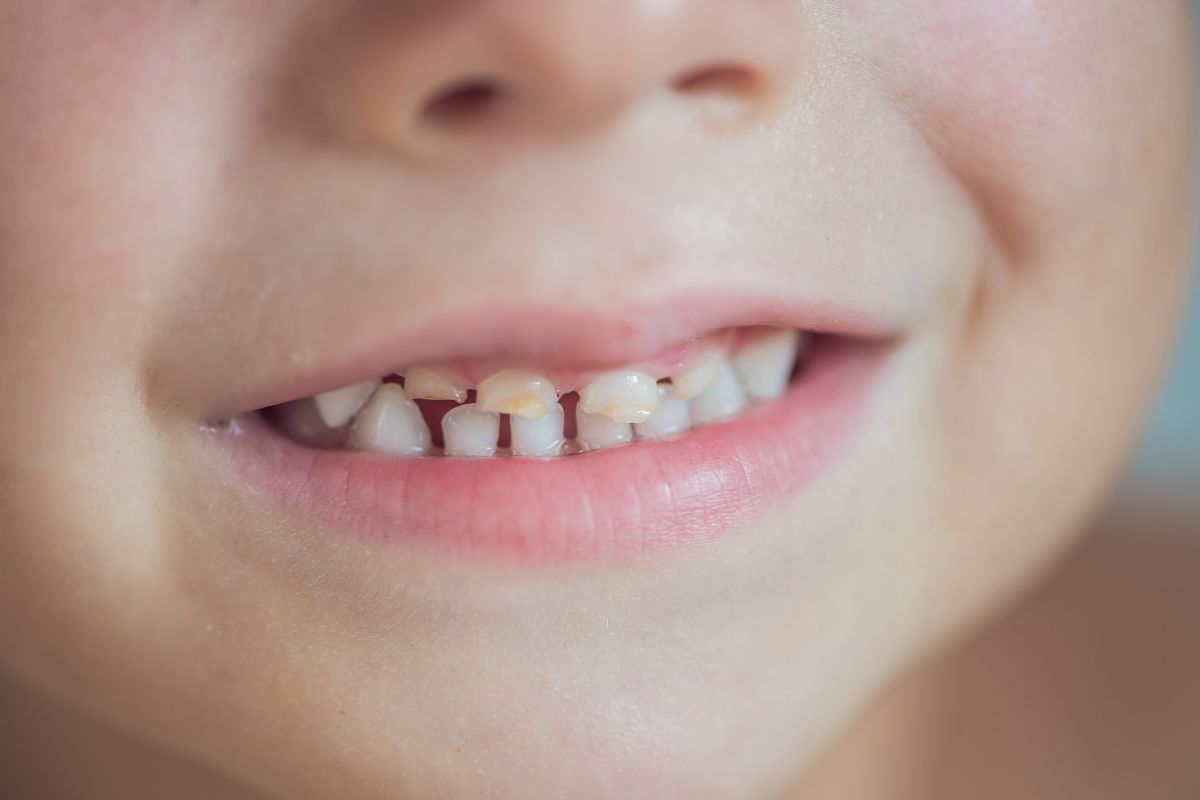
Early signs can include:
- White or chalky spots on the teeth
- Brown or dark areas
- Small holes
- Food getting stuck in one area
- Tooth sensitivity
- Pain while eating
- Swelling around a tooth
Some children have no symptoms at all. Routine dental examinations can help identify problems before they become painful.
How Diet Can Affect Baby Teeth
Food and drinks have a major effect on cavity risk. The issue is not simply how much sugar a child consumes. How often the teeth come into contact with sugar also matters.
For example, sipping a sweet drink over a long period can expose the teeth to repeated acid attacks.
Similarly, frequent snacks can reduce the amount of time the mouth has to recover between meals.
Common Sources of Added Sugar
Parents may want to watch the frequency of:
- Sweetened drinks
- Juice
- Candy
- Cookies
- Cakes
- Sweet breakfast foods
- Flavored milk
- Sticky snacks
This does not mean children can never enjoy treats. Instead, parents can offer them as part of meals and focus on balanced snacks throughout the day.
Water between meals can also help reduce repeated exposure to sugary drinks.
Young Children Need Help With Brushing
Children often want to brush their own teeth, and that independence is useful. However, younger children may not have the coordination needed to clean every surface effectively.
Therefore, parents should help or supervise brushing until the child can consistently brush well.
A simple routine can include:
- Brush twice each day.
- Use fluoride toothpaste as recommended for the child’s age.
- Spend enough time cleaning all tooth surfaces.
- Help the child reach the back teeth.
- Clean between teeth when appropriate.
- Replace the toothbrush when the bristles become worn.
Parents should also avoid sharing toothbrushes because this can transfer bacteria between family members.
Why Cavities in Baby Teeth Matter
One common misconception is that cavities in baby teeth do not matter because those teeth will eventually fall out.
However, baby teeth can remain in the mouth for several years. During that time, children rely on them for normal chewing and speech.
Untreated decay can also cause pain and infection. A damaged primary tooth may require dental treatment to protect the child’s comfort and oral health.
Baby teeth also help guide permanent teeth into their proper positions. If a primary tooth is lost too early, the surrounding teeth can shift into the space.
As a result, early tooth loss may sometimes affect how permanent teeth develop or erupt.
How Bottles and Sippy Cups Can Affect Teeth
What a child drinks and how often they drink it can influence cavity risk.
Milk and formula contain natural sugars. Juice and other sweet drinks may contain added sugars as well. If these liquids stay around the teeth for long periods, bacteria can use the sugars to produce acids.
Parents should pay particular attention to nighttime habits.
Avoid Prolonged Exposure During Sleep
When children sleep, saliva flow decreases. Saliva normally helps wash away food particles and neutralize acids.
Therefore, allowing a child to sleep with a bottle containing milk, formula, juice, or another sugary liquid can increase cavity risk.
Parents can ask their pediatric dental team about age-appropriate nighttime feeding and drinking habits.
Fluoride Helps Strengthen Teeth
Fluoride is a mineral that helps strengthen enamel and makes teeth more resistant to acid attacks.
Children can receive fluoride through toothpaste, drinking water, professional fluoride treatments, or other sources depending on their needs and local recommendations.
However, the right amount matters. Parents should follow guidance from their child’s dentist or pediatrician regarding fluoride use.
Regular dental visits also allow the dental team to monitor tooth development and identify changes early.
Regular Dental Visits Make a Difference
Children benefit from dental care even when their teeth look healthy.
During routine visits, a pediatric dental team can check for early signs of decay and monitor how the teeth and jaws are developing.
The dentist may also discuss:
- Brushing technique
- Fluoride
- Diet
- Thumb-sucking or pacifier habits
- Tooth eruption
- Cavity risk
- Protective treatments
- Changes in the child’s oral health
Meanwhile, parents can ask questions about anything they have noticed at home.
Protecting Baby Teeth Starts With Simple Habits
Parents do not need a complicated routine to protect their child’s teeth. Consistency matters more than complexity.
Focus on these everyday habits:
- Start cleaning the mouth early.
- Brush twice daily with fluoride toothpaste.
- Help young children brush effectively.
- Offer water between meals.
- Limit frequent sugary snacks and drinks.
- Avoid prolonged exposure to sweet drinks at bedtime.
- Schedule regular pediatric dental visits.
- Address unusual spots, sensitivity, or pain promptly.
These steps can lower the risk of cavities and help children develop habits they can carry into adulthood.
The Bottom Line for Parents
Baby teeth may be temporary, but they deserve careful attention. Their thinner enamel, developing brushing skills, frequent snacking, and other childhood habits can increase the risk of decay.
Fortunately, parents can make a meaningful difference through daily brushing, smart food and drink choices, fluoride, and regular dental care. Early attention can also prevent small dental concerns from becoming bigger problems.
If you want to support your child’s oral health, you can schedule an appointment with Adventure Smiles Pediatric Dentistry to discuss your child’s dental care needs.