
November 6, 2026
Dental visits can feel stressful for children, especially when they need a filling or another treatment. Fortunately, nitrous oxide for kids can help ease fear and make dental appointments more comfortable. At Adventure Smiles Pediatric Dentistry in Las Vegas, parents can learn about this option and discuss whether it suits their child’s needs with Dr. Noura Rezapour.
Nitrous oxide is often called laughing gas. It helps children relax during certain dental procedures while remaining awake and responsive. However, parents should understand how it works, what benefits it offers, and which safety measures matter before making a decision.
How Does Nitrous Oxide for Kids Work?
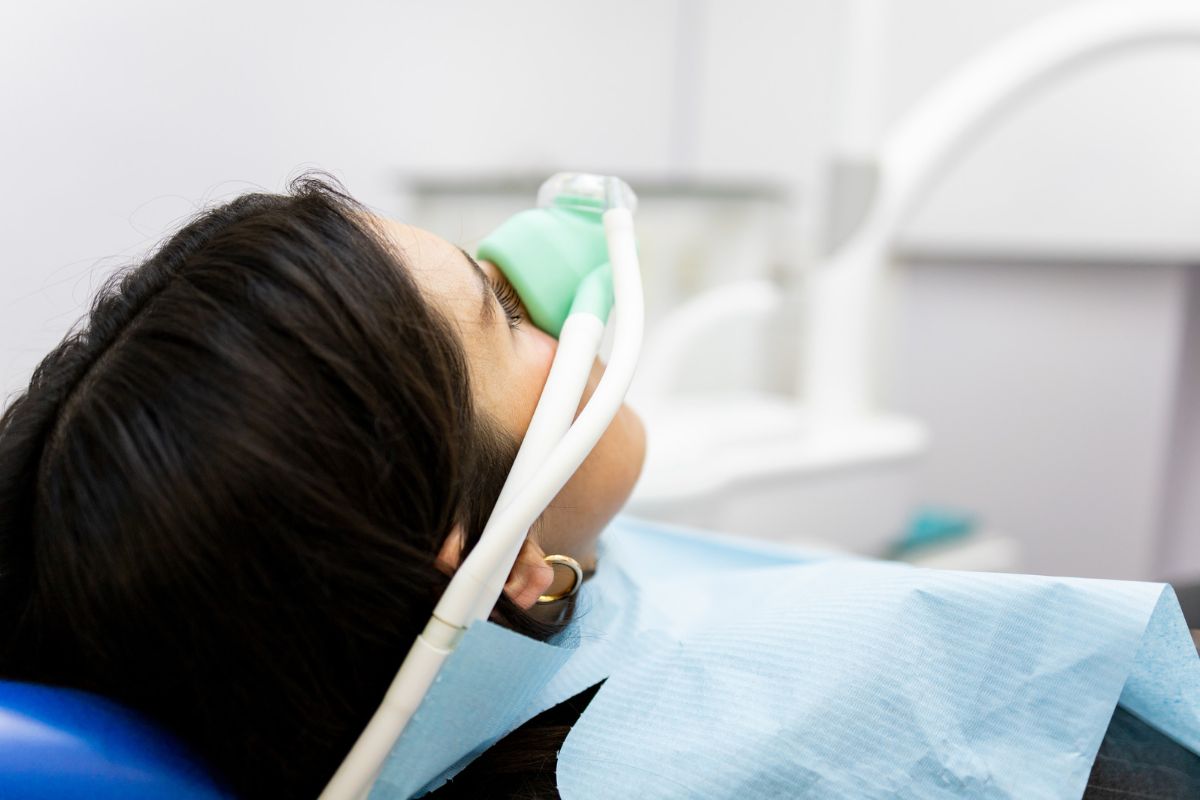
Nitrous oxide is a colorless gas that a child breathes through a small mask placed over the nose. A dentist combines it with oxygen and adjusts the amount to help the child feel calm during treatment.
Unlike general anesthesia, nitrous oxide usually does not make a child lose consciousness. Instead, it can reduce anxiety and help the child cooperate with the dental team.
Parents seeking a pediatric dentist can learn about different approaches to managing dental anxiety and helping children feel more at ease.
What Does a Child Feel During Treatment?
Children may experience different sensations while breathing the gas. Common feelings include:
-
Relaxation: The child may feel less worried about the procedure.
-
Lightness: Some children describe a floating or warm sensation.
-
Tingling: The hands or feet may feel slightly tingly.
-
Reduced awareness of discomfort: The child may feel less distressed by the treatment environment.
However, nitrous oxide does not replace local anesthesia when a procedure requires it. For example, a filling may still require numbing medicine to prevent pain.
The dentist also speaks with the child throughout treatment. This reassurance helps the child understand what is happening and feel involved in the process.
Which Children May Benefit From Nitrous Oxide?
Nitrous oxide may help children who feel nervous about dental treatment or struggle to remain calm during an appointment. However, the dentist must evaluate each child before recommending it.
Children who may benefit include those who:
-
Feel anxious about dental instruments or sounds.
-
Have difficulty sitting still during treatment.
-
Need a procedure that requires cooperation.
-
Have a strong gag reflex that makes certain treatments difficult.
-
Have had a stressful dental experience in the past.
For example, a child who worries about receiving a filling may relax enough to allow the dentist to complete the procedure.
However, nitrous oxide is not the right choice for every child. Some children respond well to simple reassurance, breaks, and child-friendly explanations. Others may need a different approach because of their medical history, developmental needs, or the complexity of treatment.
The dental team should consider the child’s age, ability to breathe through the nose, health history, and level of anxiety before making a recommendation.
Is Nitrous Oxide Safe for Children?
When a trained dental professional selects appropriate patients, administers the gas correctly, and monitors the child, nitrous oxide has a well-established role in pediatric dentistry. Still, no sedation method is completely free of risk.
Safety depends on more than the gas itself. The dentist must review the child’s medical history, choose an appropriate dose, and follow established monitoring procedures.
Important Safety Measures
Before treatment, the dental team should:
-
Review medical history: Parents should share details about medical conditions, allergies, medications, and recent illnesses.
-
Check breathing and nasal airflow: A child who cannot breathe comfortably through the nose may not receive the expected benefit.
-
Monitor the child: The dental team observes the child’s response and adjusts the gas as needed.
-
Use oxygen appropriately: The team follows the required procedures before, during, and after administration.
-
Provide recovery time: The child remains under observation until the team determines that recovery is adequate.
Parents should also tell the dentist if their child has a respiratory illness, significant nasal congestion, or a condition that affects breathing. These factors may change whether nitrous oxide is appropriate.
Furthermore, parents should follow the practice’s instructions before the appointment. Recommendations about food and drink can vary with the planned procedure and sedation approach.
What Are the Possible Side Effects?
Most children tolerate nitrous oxide well, but temporary side effects can occur. Knowing what to expect can help parents feel prepared.
Possible side effects include:
-
Nausea or vomiting.
-
Dizziness or lightheadedness.
-
Headache.
-
Sweating or shivering.
-
Unpleasant sensations, such as tingling.
-
Occasional agitation or an unexpected emotional response.
Nausea can become more likely if a child eats too much before treatment, although the dental team should provide specific preparation instructions rather than relying on a general rule.
Fortunately, the effects of nitrous oxide usually wear off quickly after the gas stops and the child breathes oxygen according to the dental team’s protocol. Most children return to their usual behavior soon afterward.
However, parents should report unusual symptoms or concerns to the dental team. The dentist can assess the situation and explain whether additional care is necessary.
How Can Parents Prepare Their Child?
A calm, supportive approach can make the appointment easier. Children often feel more comfortable when they know what to expect without hearing frightening details.
Before the Appointment
Explain the mask simply. Tell your child that a small nose mask helps the body relax. Avoid describing it as a punishment or something that will make them lose control.
Use positive language. For example, say, “The dental team will help you feel comfortable while they care for your teeth.”
Share important information. Tell the dentist about your child’s fears, medical history, current medicines, and previous reactions to sedation.
Follow preparation instructions. Ask the practice what your child may eat or drink before the procedure. Do not assume that ordinary meal routines always apply.
During and After Treatment
Encourage your child to communicate with the dental team. A hand signal can help the child request a pause if needed.
After treatment, follow the dentist’s instructions about eating, drinking, and returning to normal activities. Although recovery is often quick, individual recommendations may differ.
Also, remember that nitrous oxide works best as part of a supportive approach. A friendly explanation, patience, and praise can help build confidence for future visits.
What Should Parents Ask Before Choosing Nitrous Oxide?
A conversation with the dentist can clarify whether this option fits your child’s needs. Consider asking:
-
Why do you recommend nitrous oxide for this procedure?
-
Are there medical conditions that could make it unsuitable?
-
Will my child also need local anesthesia?
-
What monitoring procedures will you use?
-
What side effects should I watch for afterward?
-
Are other anxiety-management options available?
These questions help parents make informed decisions rather than choosing sedation based on fear alone.
The dentist can explain the expected benefits, possible risks, alternatives, and treatment plan. As a result, families can approach the appointment with realistic expectations.
Nitrous oxide can help many children feel calmer during dental treatment when a qualified dental professional determines that it is appropriate. However, every child has different needs, so a review of medical history, anxiety level, and treatment requirements remains essential.
For guidance tailored to your child’s dental needs, Schedule your appointment with Adventure Smiles Pediatric Dentistry in Las Vegas. Dr. Noura Rezapour can help you understand suitable options for a more comfortable dental experience.