
September 28, 2026
Hearing that a child needs a filling can make any parent concerned. Questions about discomfort, safety, and the treatment itself are completely understandable. Fortunately, dental fillings are safe for children when a qualified dental professional evaluates the tooth and provides appropriate care. At Adventure Smiles Pediatric Dentistry in Las Vegas, cavity treatment focuses on protecting young teeth while keeping children comfortable.
A filling repairs a tooth after decay has damaged part of its structure. The dentist removes the decayed portion and restores the area with a suitable dental material.
Treating a cavity early can help prevent the decay from becoming deeper and more difficult to manage.
Why Do Children Need Dental Fillings?
Cavities develop when bacteria in the mouth produce acids that weaken tooth enamel. Over time, the damaged area can become a hole in the tooth.
A filling helps restore that damaged area and allows the child to continue using the tooth normally.
Dental Fillings for Kids may be recommended when a cavity cannot be managed through preventive care alone.
Baby Teeth Can Need Fillings Too
Some parents assume cavities in baby teeth do not need treatment because those teeth will eventually fall out.
However, primary teeth can remain in place for years. During that time, they help children chew, speak, and maintain space for permanent teeth.
Therefore, a dentist may recommend treating a cavity in a baby tooth based on the child’s age, tooth development, location of the decay, and overall dental health.
Are Dental Fillings Safe for Children?
Modern dental fillings are widely used in pediatric dentistry. The dentist chooses the material based on the tooth, the size and location of the cavity, the child’s needs, and other clinical factors.
The goal is to remove diseased tooth structure while preserving as much healthy tooth structure as possible.
Parents can ask the dentist about the recommended material before treatment. The dental team can explain why it is suitable and answer questions about the procedure.
The most important factors include:
- The size and depth of the cavity
- The location of the tooth
- The child’s age
- The condition of the surrounding tooth structure
- The child’s dental history
- The expected lifespan of the tooth
Because every cavity differs, treatment should always follow an individual dental examination.
What Happens During a Child’s Filling?
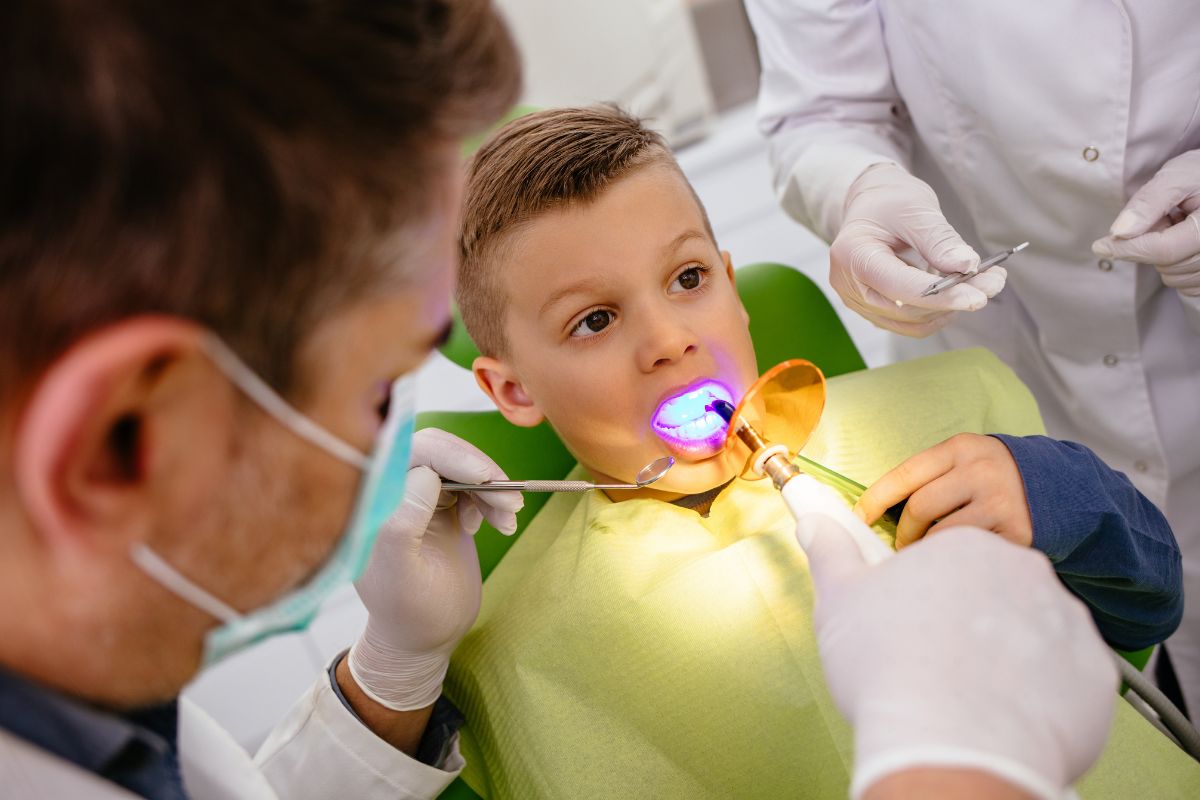
A filling appointment typically follows several steps. The dental team explains the process in language the child can understand.
Step 1: The Dentist Examines the Tooth
The dentist checks the tooth and determines the extent of the decay. Dental X-rays may sometimes help show areas that cannot be seen during a visual examination.
Step 2: The Tooth Is Numbed
If needed, the dentist uses a local anesthetic to numb the area. This helps reduce discomfort while the dentist treats the cavity.
Pediatric dental teams often use child-friendly communication to help children understand what will happen.
Step 3: Decay Is Removed
The dentist removes the damaged tooth structure. The goal is to clean the cavity while preserving healthy parts of the tooth.
Step 4: The Filling Is Placed
The dentist places the selected filling material into the prepared area. The material restores the shape and function of the tooth.
Step 5: The Filling Is Checked
Finally, the dentist checks the restoration and makes adjustments if needed. The child can then follow the dental team’s instructions for eating and caring for the treated tooth.
Will a Filling Hurt?
Many parents worry that their child will experience pain during treatment.
The dentist can use local anesthetic to numb the treatment area. Children may notice pressure, vibration, or unfamiliar sounds, but the team can explain these sensations ahead of time.
After treatment, the mouth may remain numb for a while.
Parents should remind children not to:
- Chew their cheek or lip while numb.
- Bite the treated area.
- Eat very hot foods while numb.
- Play with the numb area.
The dental team can provide specific instructions based on the child’s treatment.
Why Treating Cavities Early Matters
A small cavity may not cause pain. That does not mean it can safely remain untreated.
Cavities can grow deeper over time. If decay reaches the inner parts of a tooth, the child may develop sensitivity, pain, or infection.
As a result, early treatment can help preserve more of the natural tooth.
Prompt dental care may help:
- Stop the progression of decay.
- Protect healthy tooth structure.
- Reduce the risk of dental pain.
- Lower the chance of infection.
- Keep the tooth functional.
- Support normal chewing and speech.
For baby teeth, timely treatment can also help the tooth remain in place until it naturally becomes loose.
What Materials Are Used for Children’s Fillings?
Dentists have several restorative materials available. The best choice depends on the tooth and the child’s individual situation.
Tooth-colored materials may provide a natural appearance and can work well for certain restorations. Other materials may offer different advantages depending on the location and size of the cavity.
Parents can ask which material the dentist recommends and why.
Rather than choosing a filling material based only on appearance, the dentist considers the clinical needs of the tooth.
How Can Parents Help Prevent More Cavities?
A filling repairs an existing cavity, but it does not make the other teeth immune to decay.
Therefore, prevention remains important after treatment.
Build a Simple Daily Routine
Brush twice a day.
Use fluoride toothpaste and help younger children brush thoroughly.
Clean between the teeth.
Flossing or another approved interdental cleaning method can remove food and plaque from areas a toothbrush cannot reach.
Choose drinks carefully.
Water is a good everyday choice. Limiting frequent sugary drinks can reduce repeated acid exposure.
Watch snacking frequency.
Frequent snacks can give cavity-causing bacteria more opportunities to produce acids.
Keep dental appointments.
Routine examinations allow the dentist to monitor the child’s teeth and identify concerns early.
Signs That a Child May Have a Cavity
Children do not always tell parents when something feels wrong. Some may not notice early decay at all.
Parents should watch for changes such as:
- Tooth sensitivity
- Pain when eating
- Avoiding certain foods
- Visible white, brown, or dark spots
- A hole in a tooth
- Food repeatedly getting stuck in one area
- Swelling around a tooth
- Complaints of toothache
However, parents should not wait for symptoms before arranging routine dental care.
Regular examinations can identify some problems before they become uncomfortable.
Helping Children Feel Comfortable About Fillings
A calm approach can make dental treatment easier for children.
Parents can use simple and positive language. For example, they can explain that the dentist will clean the tooth and help make it healthy again.
It is also helpful to avoid sharing frightening personal dental stories before the appointment.
During the visit, pediatric dental teams can use age-appropriate communication and behavior guidance. The exact approach depends on the child’s age, personality, and treatment needs.
The Bottom Line for Parents
Children can safely receive dental fillings when a dentist determines that a filling is the appropriate treatment. The procedure removes decay and restores the damaged portion of the tooth.
Most importantly, treating cavities early can help protect a child’s comfort, oral function, and developing smile. Preventive habits then help reduce the chance of future decay.
If your child has a cavity or needs a dental evaluation, you can schedule an appointment with Adventure Smiles Pediatric Dentistry to discuss the next steps.