September 14, 2026
Parents often have questions about preventive dental treatments, especially when a procedure involves a child. One common concern is whether dental sealants are safe for kids and whether they are really needed. At Adventure Smiles Pediatric Dentistry in Las Vegas, families can use preventive care to help protect young teeth from cavities and other common dental problems.
Dental sealants are thin protective coatings placed on the chewing surfaces of certain teeth. They can cover deep grooves where food and bacteria often collect. As a result, sealants can make those areas easier to keep clean.
How Dental Sealants Help Protect Children’s Teeth
Back teeth often have small grooves and pits on their chewing surfaces. A toothbrush may not reach every part of these areas, even when a child brushes carefully.
That is where sealants can help. The material flows into the grooves and creates a smoother surface. Therefore, food particles and plaque have fewer places to settle.
dental sealants for kids can be one part of a larger cavity-prevention plan. Regular brushing, flossing, fluoride, healthy food choices, and dental visits still matter.
Sealants do not replace brushing. Instead, they add another layer of protection in areas that can be difficult to clean.
Are Dental Sealants Safe for Kids?
For most children, dental sealants are considered a safe and well-established preventive dental treatment. Dentists have used them for many years to help reduce the risk of cavities on the chewing surfaces of back teeth.
The American Dental Association and other dental organizations recognize sealants as an option for cavity prevention in children and teens.
However, every child has different dental needs. A pediatric dentist will look at the condition of the teeth before recommending treatment.
What Does the Sealant Material Do?
The sealant material bonds to the tooth surface. It forms a thin barrier over the grooves and pits.
The dentist first cleans and prepares the tooth. Then, the sealant is placed and hardened with a dental curing light.
The process does not require drilling into a healthy tooth. In many cases, the child can return to normal activities right after the appointment.
Why Children May Benefit From Dental Sealants
Children may have a higher risk of cavities for several reasons. Their brushing skills are still developing, and some teeth have deep grooves that trap food.
In addition, children may eat or drink throughout the day. Frequent exposure to sugary or starchy foods can give cavity-causing bacteria more opportunities to produce acids.
For these reasons, sealants may provide useful protection.
Sealants may be especially helpful when:
- Back teeth have deep grooves or pits.
- A child has had cavities before.
- Brushing around certain teeth remains difficult.
- The dentist sees areas that could trap food easily.
- A child has an increased risk of tooth decay.
Still, not every tooth needs a sealant. The dentist will consider the child’s age, tooth development, oral hygiene, cavity risk, and the shape of the tooth.
What Happens During a Sealant Appointment?
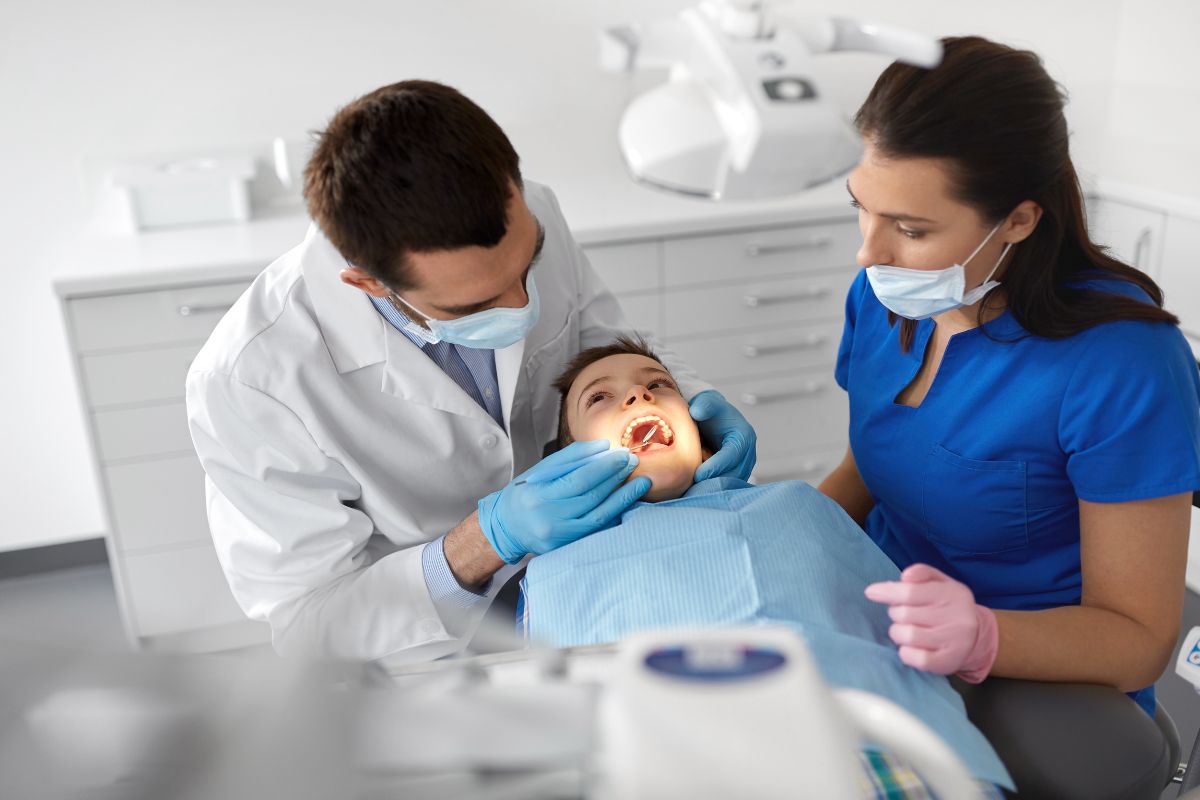
A sealant appointment is usually simple. The dentist or dental team prepares the tooth and keeps it dry during the process.
The Basic Steps
1. The tooth is cleaned.
The dental team removes food and plaque from the tooth surface.
2. The tooth is prepared.
A special dental material prepares the chewing surface so the sealant can bond properly.
3. The tooth is rinsed and dried.
Keeping the surface dry helps the sealant adhere to the tooth.
4. The sealant is applied.
The dentist places the protective material into the grooves.
5. The sealant is hardened.
A curing light helps the material set.
The child usually does not need a long recovery period. In fact, most children can eat and drink normally after the appointment, unless the dental team gives different instructions.
Can Dental Sealants Prevent Every Cavity?
No. Sealants protect the surfaces where they are placed, but they do not cover every part of the mouth.
For example, cavities can develop between teeth. They can also form near the gumline or on areas that do not have sealant coverage.
Therefore, children still need a strong daily oral care routine.
A complete cavity-prevention routine includes:
- Brushing twice a day with fluoride toothpaste.
- Cleaning between teeth regularly.
- Drinking water throughout the day.
- Limiting frequent sugary snacks and drinks.
- Visiting the dentist for routine examinations.
- Following fluoride recommendations from the dental team.
- Replacing worn toothbrushes as needed.
Sealants work best as part of this overall approach.
How Long Do Dental Sealants Last?
Dental sealants can remain on teeth for years, but they may wear down over time. Chewing, tooth development, and normal use can affect their condition.
That is why dental professionals check sealants during routine appointments. If a sealant becomes worn or damaged, the dentist can determine whether it needs repair or replacement.
Parents do not need to inspect the sealant every day. Instead, regular dental visits give the dental team an opportunity to check the treated teeth.
Should Parents Be Concerned About Sealant Materials?
It is reasonable for parents to ask what materials a dental office uses. Pediatric dental teams can explain the type of sealant recommended and answer questions about the treatment.
Parents should also share any concerns, allergies, or relevant dental history before treatment.
A clear conversation helps families understand why a sealant is being recommended and what the procedure involves.
When Should a Child Get Dental Sealants?
The timing depends on the child’s tooth development and cavity risk. Sealants are often considered when permanent molars come in because these teeth can have deep chewing grooves.
However, age alone does not determine whether a child needs treatment.
Instead, the dentist examines the teeth and considers factors such as:
- Tooth shape
- Existing decay
- Previous cavities
- Oral hygiene
- Diet
- Fluoride exposure
- Overall cavity risk
As a result, two children of the same age may receive different recommendations.
The Bottom Line for Parents
Dental sealants can provide an extra layer of protection for children who have deep grooves or a higher risk of cavities. They are a preventive treatment, not a replacement for brushing, flossing, fluoride, or regular dental care.
Most importantly, parents should discuss sealants with their child’s pediatric dentist. The dental team can examine the teeth and explain whether sealants make sense for the child’s individual needs.
If you are considering preventive dental care for your child, you can schedule an appointment with Adventure Smiles Pediatric Dentistry to discuss whether dental sealants may be appropriate for your child.