January 23, 2026
Finding out your child needs a dental filling can feel overwhelming. You might worry about pain, cost, or how your little one will handle the procedure. As parents ourselves at Adventure Smiles in Las Vegas, Nevada, we understand these concerns completely.
The truth is that dental fillings for kids are one of the most common and straightforward procedures we perform. Modern techniques have made the process quick, comfortable, and even stress-free for most children. When caught early, a cavity can be treated in a single visit, preventing more serious problems down the road.
This guide will walk you through everything you need to know about pediatric dental fillings, from what to expect during the procedure to how to care for your child’s teeth afterward. Our goal is to help you feel confident and prepared when you bring your child to our Las Vegas practice.
Understanding Dental Fillings for Children
A dental filling repairs damage caused by tooth decay. When bacteria in the mouth produce acids that eat away at tooth enamel, a cavity forms. Left untreated, cavities grow larger and can cause pain, infection, and even tooth loss.
Fillings stop this process by removing the decayed portion of the tooth and filling the space with a safe, durable material. For children, we typically use tooth-colored composite resin that blends naturally with their smile. These materials are safe, effective, and approved by the American Dental Association.
Baby teeth need fillings just as much as permanent teeth do. Many parents ask why we treat cavities in teeth that will eventually fall out. The answer is simple: baby teeth hold space for adult teeth, help with proper speech development, and allow children to eat nutritious foods. Losing a baby tooth too early can lead to crowding and alignment issues later.
Why Kids Get Cavities
Children are particularly prone to cavities for several reasons. Their brushing and flossing skills are still developing, making it harder to remove all the plaque from their teeth. They also tend to consume more sugary foods and drinks than adults.
The grooves and pits in children’s molars trap food particles and bacteria easily. According to the Centers for Disease Control and Prevention, about 20% of children ages 5 to 11 have at least one untreated decayed tooth.
At our children’s dental practice in Las Vegas, we focus heavily on prevention through regular cleanings, fluoride treatments, and dental sealants. But when cavities do occur, prompt treatment prevents them from becoming bigger problems.
8 Tips for a Smooth Filling Experience and Recovery
1. Prepare Your Child Beforehand
Talk to your child about the appointment in simple, positive terms. Avoid words like “pain,” “shot,” or “drill” that might cause anxiety. Instead, explain that the dentist will “clean out the sugar bugs” and “fix the tooth to make it strong again.”
Read children’s books about going to the dentist or watch kid-friendly videos together. At Adventure Smiles, we create a welcoming environment specifically designed to put children at ease.
2. Follow Pre-Appointment Instructions
Make sure your child eats a good meal before the appointment, especially if we’ll be using numbing medication. A full stomach helps prevent nausea and gives them energy for the visit.
Arrive a few minutes early so your child has time to relax in our waiting area. Rushing can increase anxiety for both of you.
3. Understand the Numbing Process
We use local anesthesia to numb the area around the tooth being filled. Your child won’t feel pain during the procedure, though they may feel pressure or vibration. The numbness typically lasts 2-3 hours after the appointment.
For very young children or those with dental anxiety, we offer additional sedation options. Our Las Vegas pediatric dentist team will discuss the best approach for your child’s specific needs.
4. Stick to Soft Foods After the Procedure
Until the numbness wears off completely, give your child soft foods that require minimal chewing. Good options include:
- Yogurt and smoothies
- Mashed potatoes
- Scrambled eggs
- Pasta with soft sauce
- Applesauce
- Oatmeal
Avoid hot foods and drinks while your child’s mouth is numb, as they won’t be able to feel if something is too hot and could accidentally burn themselves.
5. Watch for Cheek or Lip Biting
Numbness can feel strange to children, and they may unconsciously bite their cheeks, lips, or tongue. Keep a close eye on younger children and gently remind them not to chew on the numb areas.
If your child does bite the numbed area, apply ice and monitor for swelling. Contact our office if you notice excessive swelling or if it doesn’t improve within 24 hours.
6. Manage Any Discomfort
Most children experience little to no discomfort after a filling. If your child does feel sore once the numbness wears off, over-the-counter children’s pain reliever can help. Follow the dosage instructions based on your child’s age and weight.
Cold compresses applied to the outside of the cheek can reduce any minor swelling or discomfort. Use a soft washcloth with ice wrapped inside, applying for 10-15 minutes at a time.
7. Maintain Good Oral Hygiene
Resume normal brushing and flossing the same day as the procedure. Be gentle around the filled tooth for the first day, but don’t skip oral hygiene altogether.
Help younger children brush their teeth twice daily with fluoride toothpaste. Children under 3 should use a rice-sized amount, while those 3-6 can use a pea-sized amount. Brush for two full minutes, making sure to reach all surfaces of every tooth.
8. Schedule Follow-Up Appointments
Bring your child back for regular dental checkups every six months. These visits allow us to monitor the filling, check for new cavities, and provide preventive treatments like cleanings and fluoride applications.
Regular visits also help children become comfortable with dental care, reducing anxiety about future procedures. Our pediatric dental team makes every appointment fun and educational.
What to Expect During the Filling Procedure
The actual filling procedure typically takes 30-60 minutes, depending on the size and location of the cavity. Here’s what happens step by step:
First, we’ll numb the area around the tooth to ensure your child feels no pain. Once the area is numb, we gently remove the decayed portion of the tooth using specialized tools. We then clean the area thoroughly to remove all bacteria and debris.
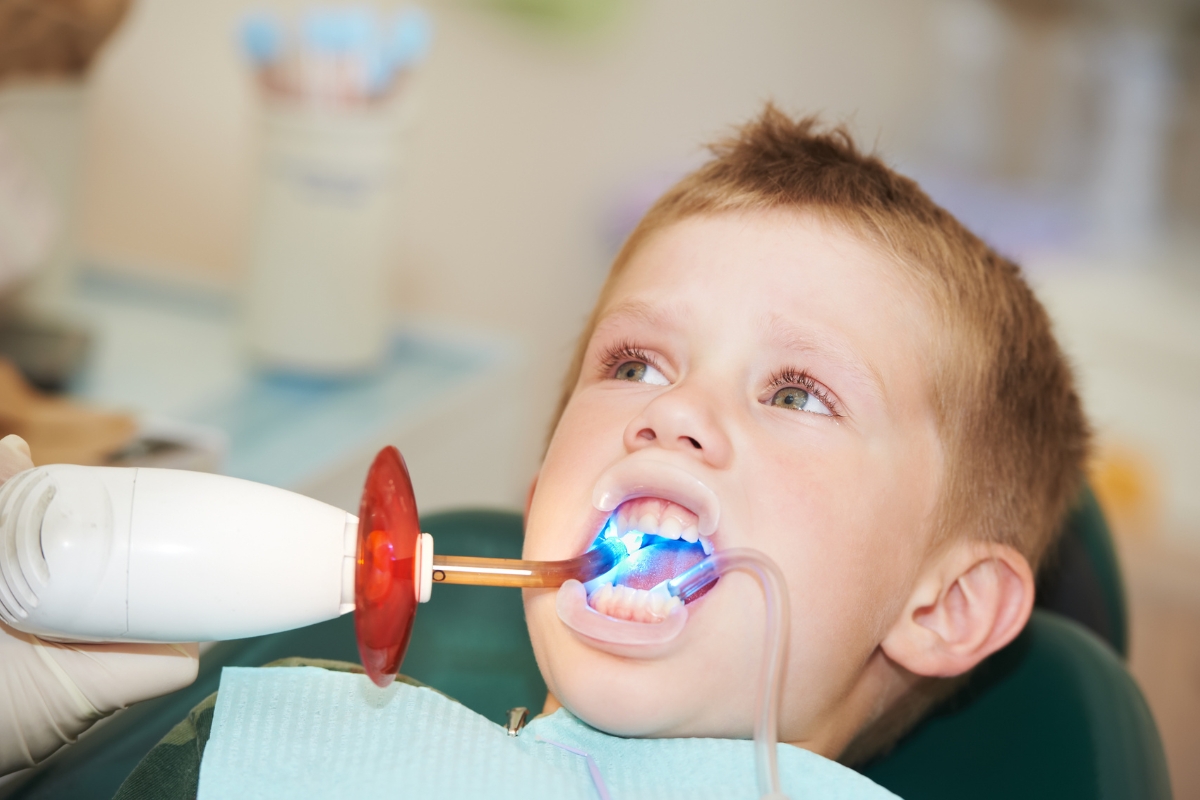
Next, we fill the cleaned space with tooth-colored composite resin material. This material bonds directly to the tooth and is shaped to match the natural contours. A special light hardens the material in seconds.
Finally, we check your child’s bite and make any needed adjustments so the filling feels natural and comfortable. The whole process is quick and efficient.
Schedule Your Child’s Appointment at Adventure Smiles
If your child needs a dental filling or is due for a checkup, Adventure Smiles in Las Vegas, Nevada is here to help. Our experienced children’s dentist Las Vegas team specializes in making dental visits positive experiences for kids of all ages.
We use the latest technology and gentle techniques to ensure your child’s comfort. From our kid-friendly office design to our patient, caring staff, everything we do is focused on creating healthy smiles and happy patients.
Call us today to schedule your child’s appointment, or visit our website to book online. We accept most insurance plans and offer flexible payment options for families.
Don’t wait until a small cavity becomes a big problem. Early treatment is easier, faster, and more comfortable for your child.
Frequently Asked Questions
Q: At what age do children typically get their first filling?
A: Children can get cavities as soon as their first teeth appear, though fillings are most common between ages 3-12. The key is bringing your child for regular dental visits starting at age 1 or when their first tooth erupts. Early detection means smaller cavities and simpler treatment.
Q: Are dental fillings safe for children?
A: Yes, dental fillings are completely safe for children. We use BPA-free composite resin materials that have been extensively tested and approved for pediatric use. These materials are durable, non-toxic, and blend naturally with your child’s teeth.
Q: How long do fillings last in baby teeth?
A: Fillings in baby teeth typically last until the tooth naturally falls out. With proper care, a well-placed filling can last 5-10 years or more. Regular dental checkups help us monitor the filling and address any issues early.
Q: Will my child feel pain during the filling procedure?
A: No. We use local anesthesia to completely numb the area before starting. Your child may feel pressure or vibration but should not experience pain. If your child has dental anxiety, we offer sedation options to help them stay calm and comfortable throughout the procedure.
Q: How much do pediatric dental fillings cost in Las Vegas?
A: The cost varies depending on the size and location of the cavity, as well as your insurance coverage. Most dental insurance plans cover a significant portion of pediatric fillings. Our team will provide a detailed cost estimate before any treatment begins. We also offer payment plans to make care affordable for all families.
Q: Can my child eat normally after getting a filling?
A: Once the numbness wears off (usually 2-3 hours), your child can return to eating normally. We recommend starting with soft foods and gradually returning to their regular diet. Avoid very hard or sticky foods for the first 24 hours to give the filling time to fully set.
Q: What happens if a cavity isn’t treated?
A: Untreated cavities continue to grow and can lead to serious problems including infection, abscess, severe pain, and tooth loss. In baby teeth, this can affect the development of permanent teeth. Prompt treatment with a filling stops decay and prevents these complications.
Q: How can I prevent my child from needing fillings?
A: Prevention starts with good oral hygiene at home. Help your child brush twice daily with fluoride toothpaste and floss once a day. Limit sugary snacks and drinks, and encourage water instead of juice. Bring your child to our pediatric dental office every six months for checkups, cleanings, and fluoride treatments. Dental sealants can also protect molars from cavities.